


How to Detect Consciousness in People, Animals and Maybe Even AI
How do we truly know if someone—or something—is conscious? This question ranges from unresponsive humans to potential AI awareness. Recent neuroimaging advancements suggest consciousness may extend beyond outward behavior. Can we ever fully grasp consciousness, or are we limited by our biases and tools?

Metaphysics in the age of physics
Modern physics, for all its precision, is beginning to question its own foundations—space, time, and causality are no longer secure certainties but open questions. As theory grows ever more abstract, science finds itself circling back toward the ancient territory of metaphysics, where understanding reality means rethinking what it means to exist at all.


The Ātmā in the Bhagavata Philosophy
This article explores the Bhagavata model of consciousness—rooted within the broader Vedic tradition—which distinguishes the physical body, subtle mind, and eternal self (ātmā). Against reductionist neuroscience, it argues that we are not our brains but conscious beings whose true nature is eternal, self-aware, and blissful.
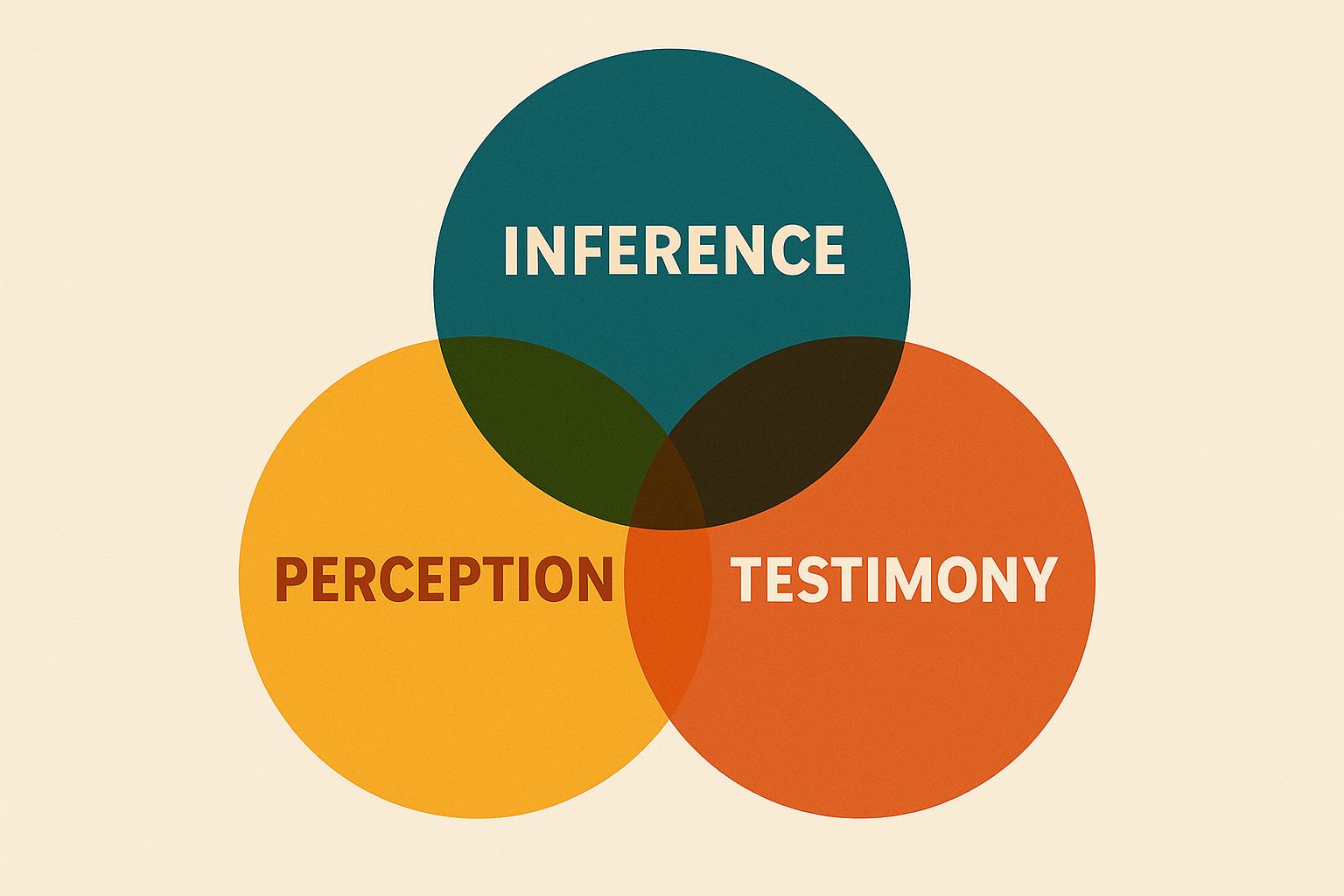

Bhāgavata epistemology: what it is and why modern seekers need it
In a world of information overload and fractured truths, Bhāgavata philosophy offers a clear and integrated method of knowing. By harmonizing perception, reason, and spiritual testimony, it provides seekers with a reliable framework for discerning truth and cultivating transformative wisdom.
The Hard Problem of Consciousness and the primacy of the Atma
This article explores why subjective experience remains unexplained by neuroscience and how the Bhagavata philosophy (and the broader Vedic tradition) offers a different framework—treating consciousness as primary, irreducible, and eternal. By comparing modern scientific paradigms with Bhagavata metaphysics, it argues that consciousness is not an emergent property of matter but the foundation of existence.

Why science alone can’t explain why we exist
This article explores the limits of scientific explanation and shows how Bhāgavata philosophy expands our understanding of existence. By integrating empirical inquiry with philosophy and spiritual insight, it presents a framework where consciousness and purpose are central, not accidental.