Expanding the conversation on consciousness
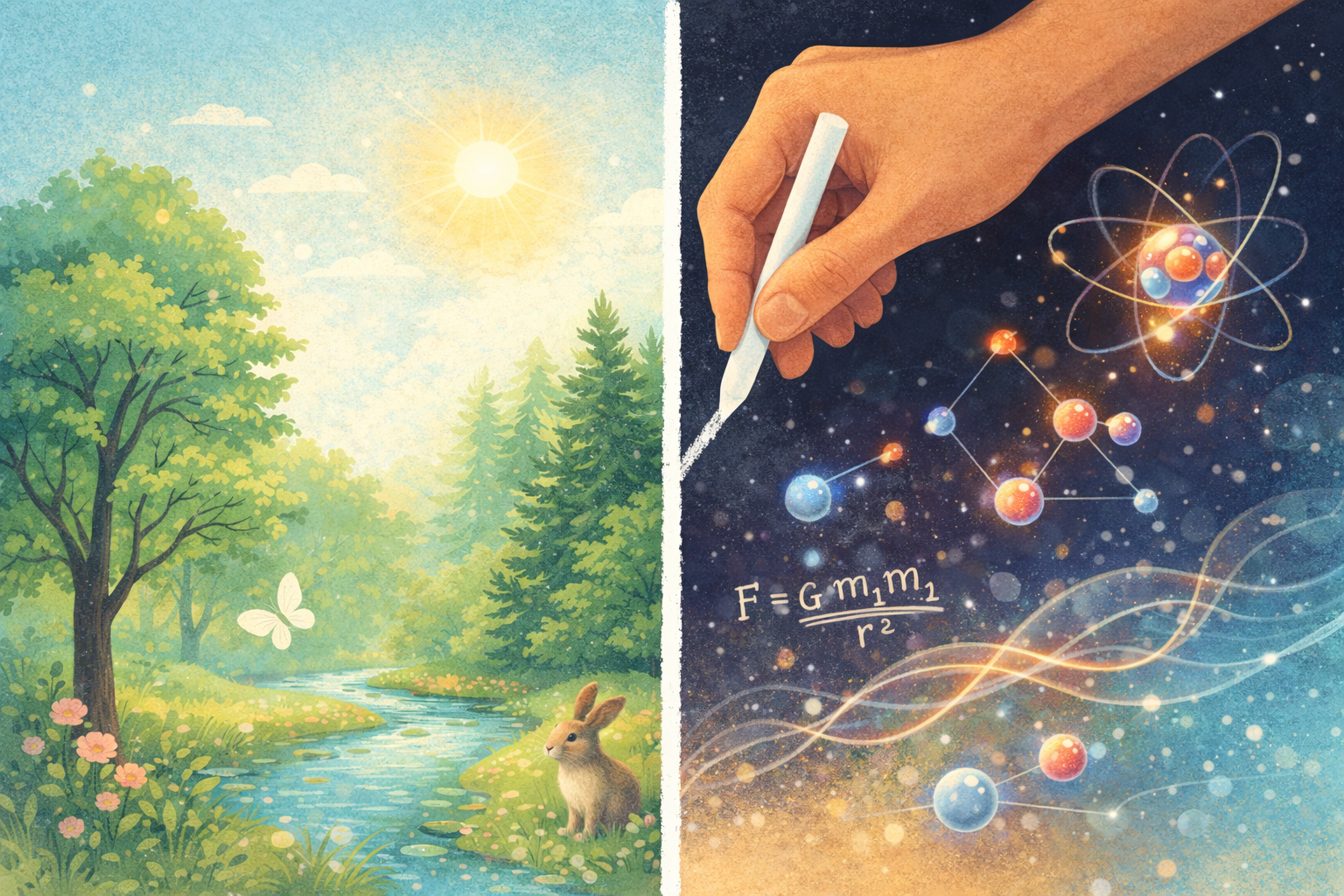
At its heart, our work is dedicated to expanding the conversation about consciousness and reality beyond the narrow confines of physicalism. The prevailing materialist framework, while invaluable in many domains, cannot fully account for the richness of human experience nor the unresolved scientific and philosophical questions surrounding the nature of the mind. Our role is to create a space where new perspectives can be taken seriously, tested against reason and evidence, and shared with a wider audience that is eager for alternatives.
Presenting academic work
One way we fulfill this mission is by presenting academic contributions from authors across disciplines—philosophy, neuroscience, physics, and related fields. Their research and reflections challenge assumptions and open new lines of inquiry.
By giving these scholars a platform, we not only showcase original thought but also highlight the diversity of rigorous academic work exploring consciousness as more than an emergent byproduct of matter. These contributions add intellectual depth and fresh perspectives to the ongoing dialogue.
Engaging with scientific literature
Beyond publishing new work, we critically engage with the wider scientific literature. Fields such as consciousness studies, neuroscience, quantum theory, and cosmology are producing findings that question the adequacy of physicalism.
We review and interpret these developments, bridging the gap between specialist research and the broader community of readers. This approach ensures that complex findings are understood in context, rather than filtered through entrenched assumptions. It also situates the Atma Paradigm within ongoing scientific and philosophical debates.
Conversations through podcasts and videos
Ideas take on a new life when shared in conversation. That’s why we produce YouTube videos and podcasts featuring interviews with our contributing authors. These dialogues allow researchers to present their work in their own voices, reflect on its broader implications, and respond to questions in an accessible way.
For many, hearing a scholar explain their thought process makes their work more vivid and approachable than the written page alone. These conversations also help us reach a wider audience eager to engage with new perspectives.
A safe space for inquiry
Equally important is our role in cultivating a safe and welcoming environment for open discussion. Many people sense the limitations of physicalism but hesitate to voice their questions in academic or professional contexts, where alternative paradigms are often dismissed.
We provide a forum where the curious-minded can explore ideas freely, without fear of ridicule. This is not about replacing one orthodoxy with another, but about fostering an atmosphere where serious questions can be entertained, debated, and refined, without judgement or hierarchy.
A coherent and living project
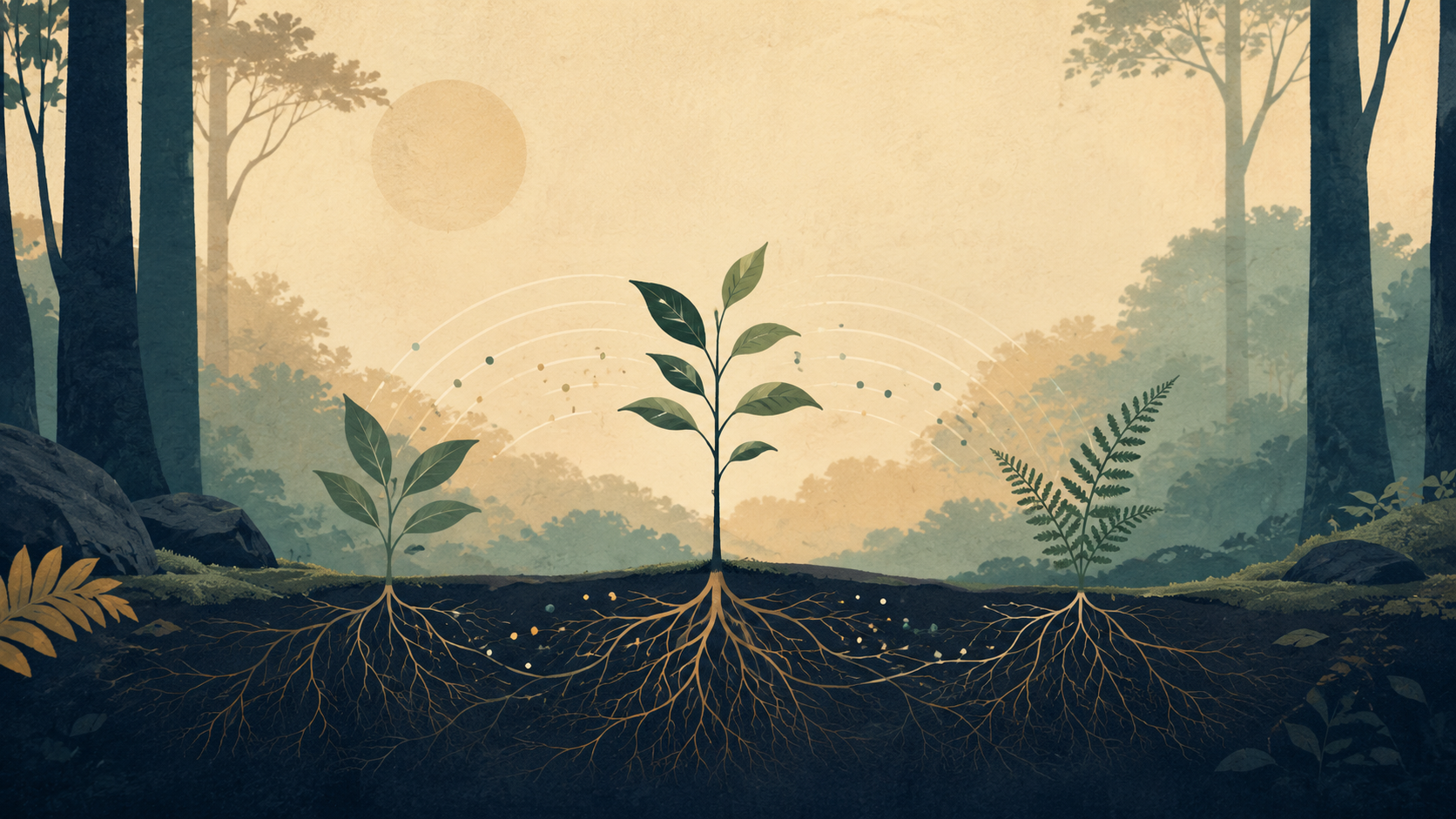
Taken together, these activities form a unified endeavor. Academic scholarship grounds the discussion in intellectual rigor. Reviews of current science connect ideas to contemporary debates. Conversations through interviews humanize and spread these insights. And the community provides the soil in which new perspectives can grow.
By presenting, reviewing, conversing, and cultivating, we are building a living dialogue about consciousness and reality that honors evidence and reason while remaining open to deeper possibilities. The Atma Paradigm is not a dogma, but an invitation to think more deeply about who we are and the reality we inhabit.