
Is purpose returning to science?
This article explores the renewed scientific interest in purpose, agency, and goal-directedness in living systems through the work of philosopher of biology Alan Love. Once regarded with suspicion because of its association with teleology, the language of purpose is returning to serious biological inquiry. From animal behavior and cellular agency to collective organisms and artificial intelligence, Love asks whether concepts such as agency, directionality, and function capture genuine features of life that cannot simply be explained away. His approach opens a broader question: have some fundamental questions been prematurely excluded by our scientific assumptions? The Ātma Paradigm shares this openness, extending it to consciousness and exploring what becomes possible when consciousness is considered not merely a product of physical processes, but a distinct and irreducible category of reality.
What science can and cannot explain
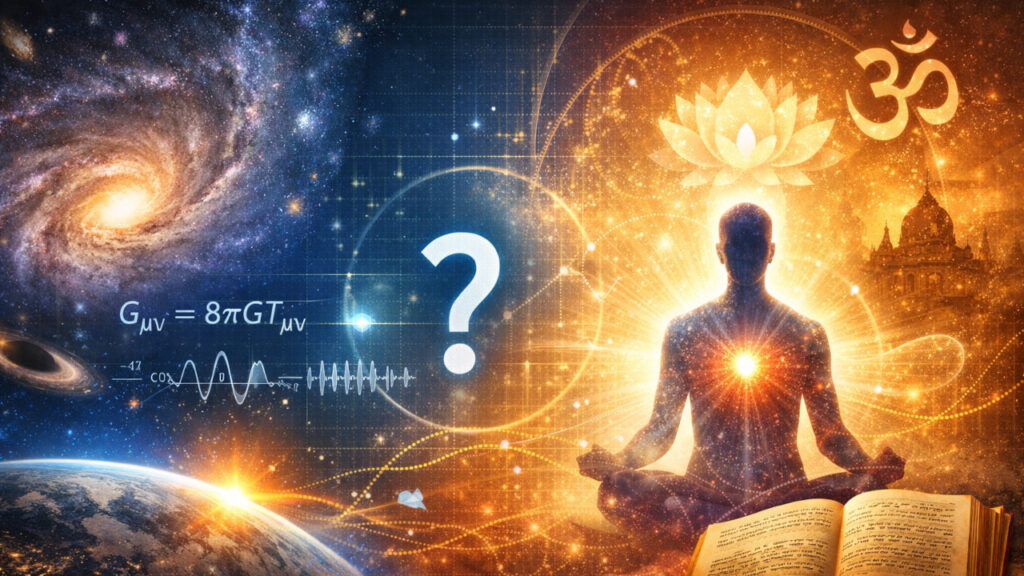
Science powerfully describes how the universe behaves, but it remains silent on deeper questions of meaning, consciousness, and purpose. Drawing on examples from cosmology and quantum mechanics, this article explores the limits of scientific explanation and the role of the observer in knowledge itself. Through the lens of the Ātma Paradigm and Bhāgavata philosophy, it argues that consciousness is not a byproduct of matter, but the foundation that makes reality and understanding possible.
Bhāgavata epistemology: what it is and why modern seekers need it
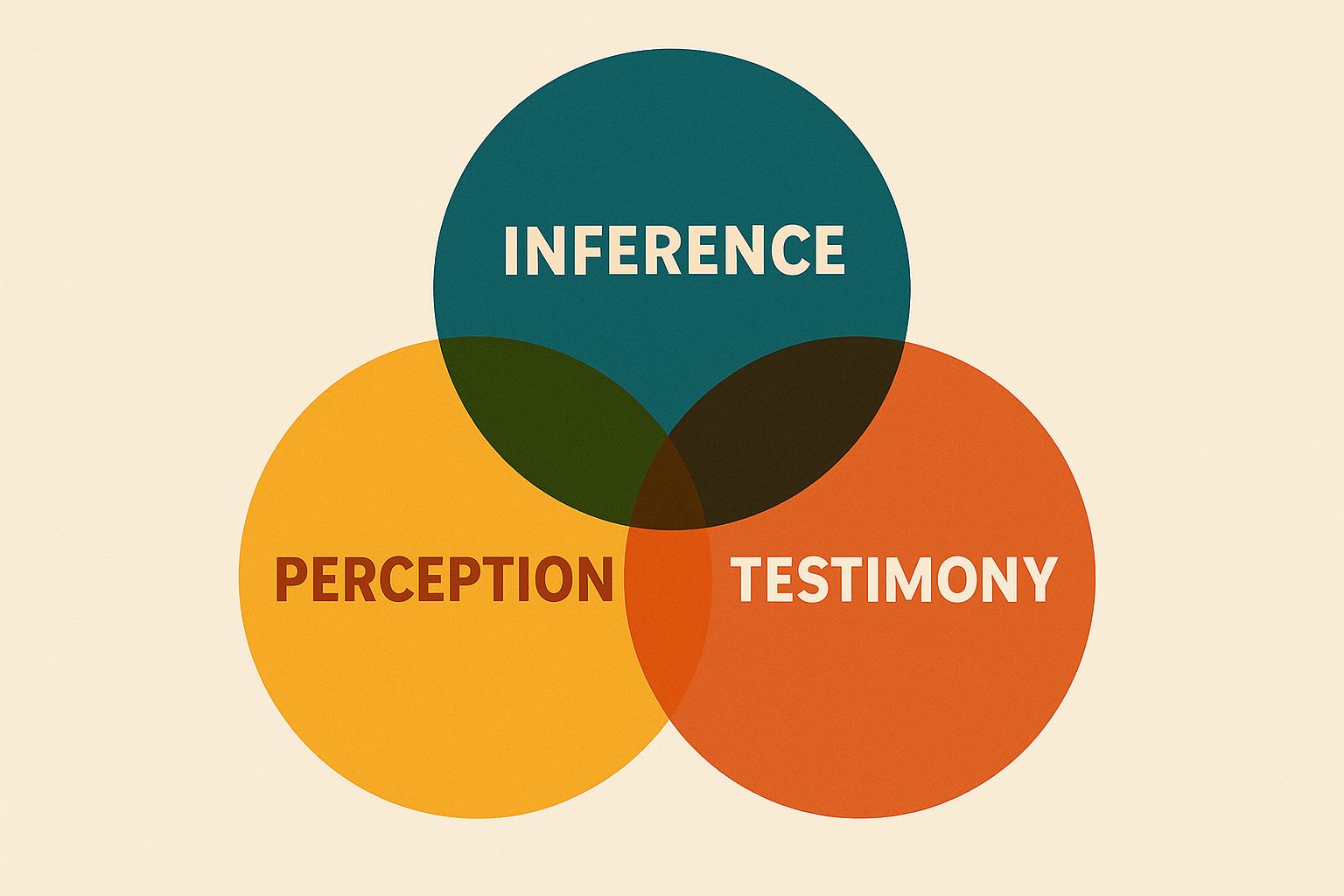
In a world of information overload and fractured truths, Bhāgavata philosophy offers a clear and integrated method of knowing. By harmonizing perception, reason, and spiritual testimony, it provides seekers with a reliable framework for discerning truth and cultivating transformative wisdom.